Millions Could Lose SNAP Benefits as Government Shutdown Enters Fourth Week
Over 40 million Americans who rely on the Supplemental Nutrition Assistance Program (SNAP) may lose part of or all of their benefits this week if the government shutdown continues. SNAP is a federal program that gives low-income people monthly benefits to afford healthy food. Nearly 3 million New Yorkers could lose access to these benefits […]
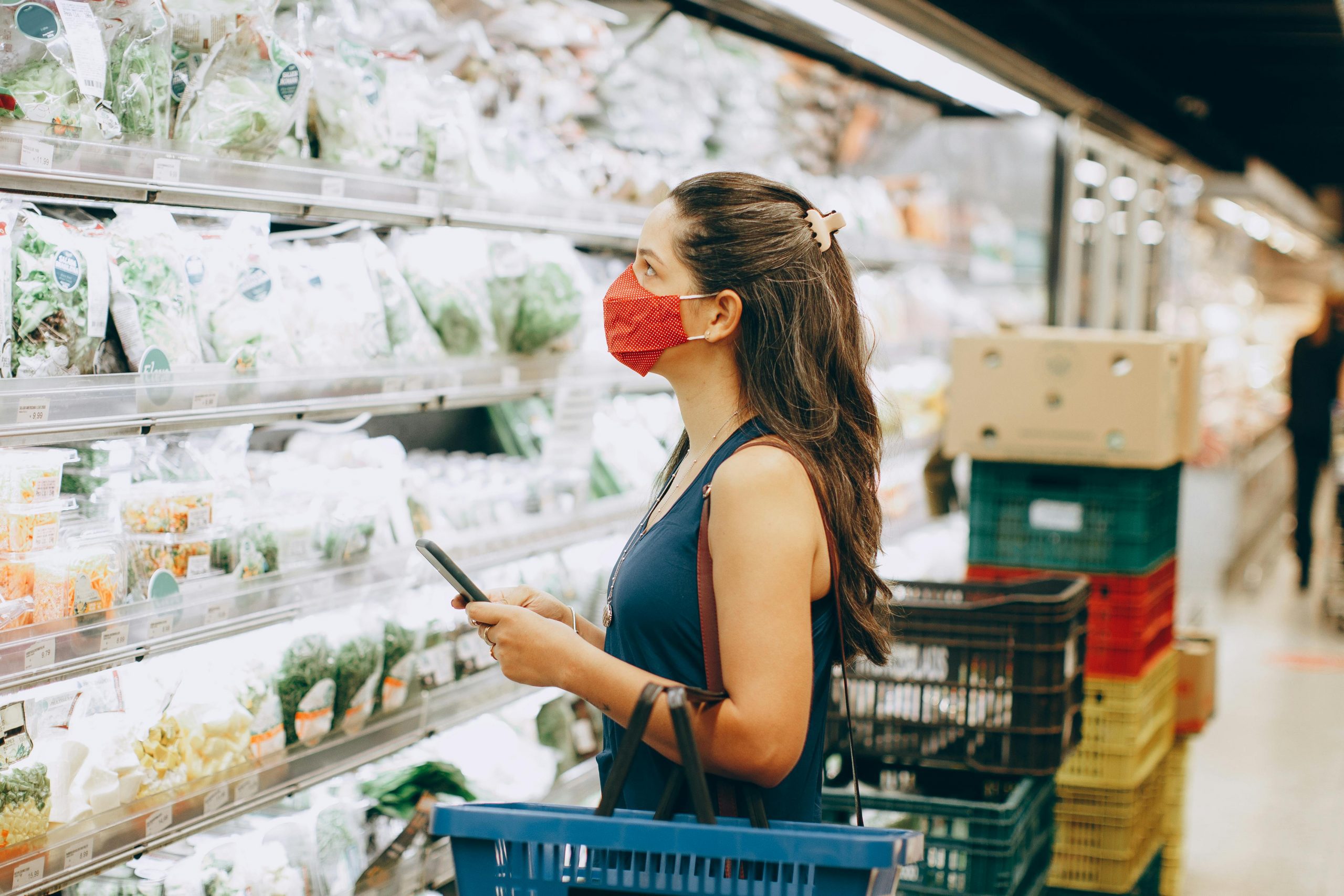
Over 40 million Americans who rely on the Supplemental Nutrition Assistance Program (SNAP) may lose part of or all of their benefits this week if the government shutdown continues.
SNAP is a federal program that gives low-income people monthly benefits to afford healthy food.
Nearly 3 million New Yorkers could lose access to these benefits starting Nov. 1, according to a press release by Governor Kathy Hochul.
New Jersey, Pennsylvania, Maryland, Texas, Illinois and California issued similar warnings.
In total, approximately 42 million Americans are at risk of losing their November benefits, according to a letter sent to state agencies on Oct. 10 by the U.S. Department of Agriculture, which oversees SNAP.
Rayven Greer, a 30-year-old unemployed disabled Navy veteran from Pennsylvania who receives SNAP benefits, said the shutdown and its impact on the federal food program is leading her and her spouse to budget carefully ahead of the holiday season.
This comes as the government shutdown continues into its 27th day after lawmakers from both sides of the aisle failed to reach an agreement to extend Affordable Care Act (ACA) subsidies on Oct. 1.
Rayven Greer, a 30-year-old unemployed disabled Navy veteran from Pennsylvania who receives SNAP benefits, said the shutdown and its impact on the federal food program is leading her and her spouse to budget carefully ahead of the holiday season.
“Our food supply is going to dry up before Thanksgiving,” Greer said. “We can scrape by, but it’s going to be a struggle to get to the end of November with the amount of food we have.”
Greer isn’t only concerned about what her family’s next meal could be while on a food budget of only $300 a month, she is also worried about paying other bills.
“How am I going to pay everything we need to pay, like, keep the lights on, keep the heat on? Especially with winter coming around the corner, like we’ve chosen not to turn the heat on yet,” Greer said. “I sleep in my hoodie to kind of save money, to make sure that if we need to supplement it with funds, that I’m not paying that into a gas bill, I’m paying that into actual food.”
In the meantime, Greer said she is going to stock up on extra cans of beans and vegetables from her local food pantry “just to be on the safe side.”
The government shutdown so far has no resolution in sight, as Republicans and Democrats alike remain entrenched in their positions.
Food pantries across the U.S. have been bracing for these SNAP cuts to take effect since September shortly after President Donald Trump signed the Big Beautiful Bill Act which gave the largest tax cuts to the wealthy in U.S. history while gutting social services poor and working-class people rely on to live.
A spokesperson for the San Francisco-Marin Food Bank told BreakThrough News via email that while there has been “minimal impact” on their operations since news broke about the potential November SNAP cuts, they “anticipate people will turn to food banks for support.”
An estimated 90,000 people in San Francisco and Marin will be impacted, according to the spokesperson.
“The federal government is falling short, and we must step up,” the spokesperson said.
In order to continue to support neighbors, the San Francisco-Marin Food Bank is “actively preparing to mobilize a temporary emergency shutdown community response plan of action in coordination with community and county partners,” the spokesperson said.
No further details were provided regarding the plan.
Elected officials like Governor Gavin Newsom have also responded to the looming setback by stating he will send the National Guard and California Volunteers in November to support food banks across the state.
“Trump’s failure isn’t abstract – it’s literally taking food out of people’s mouths. This is serious, this is urgent – and requires immediate action,” Newson said in a press release.
The military deployment comes as nearly 5.5 million Californians are at risk of not receiving their CalFresh benefits.
The last time the government shut down was during Trump’s first term from 2018-2019 and it lasted 35 days, making it the longest shutdown in U.S. history. For over a month, public services halted as Trump pressed his demands for funding to build a border wall.
As of Friday, the San Francisco-Marin Food Bank said they have not received any information from National Guard officials about a potential collaboration.
California is also fast-tracking upwards of $80 million in state support ahead of funding delays triggered by the shutdown, according to the governor’s press release.
The government shutdown so far has no resolution in sight, as Republicans and Democrats alike remain entrenched in their positions.
The last time the government shut down was during Trump’s first term from 2018-2019 and it lasted 35 days, making it the longest shutdown in U.S. history.
For over a month, public services halted as Trump pressed his demands for funding to build a border wall.
The shutdown came to an end shortly after Sara Nelson, International President of the Association of Flight Attendants (AFA-CWA), threatened to lead the labor movement into a general strike in 2019.
Calls for a general strike have only grown louder after Chicago Mayor Brandon Johnson called for people across backgrounds to unite against the wealthy last Saturday at a ‘No Kings’ rally in Grant Park.
“If my ancestors as slaves can lead the greatest general strike in the history of this country, taking it to the ultra-rich and big corporations, we can do the same today,” Johnson said. “I’m calling all black people, white people, brown people, asian people, immigrants, gay people from around this country to stand up against tyranny.”