



COVID-19 reinfection: Virus could hide itself in human chromosome, finds new study
The novel coronavirus can integrate its genetic material or RNA into human chromosome and reproduce itself, the study suggests
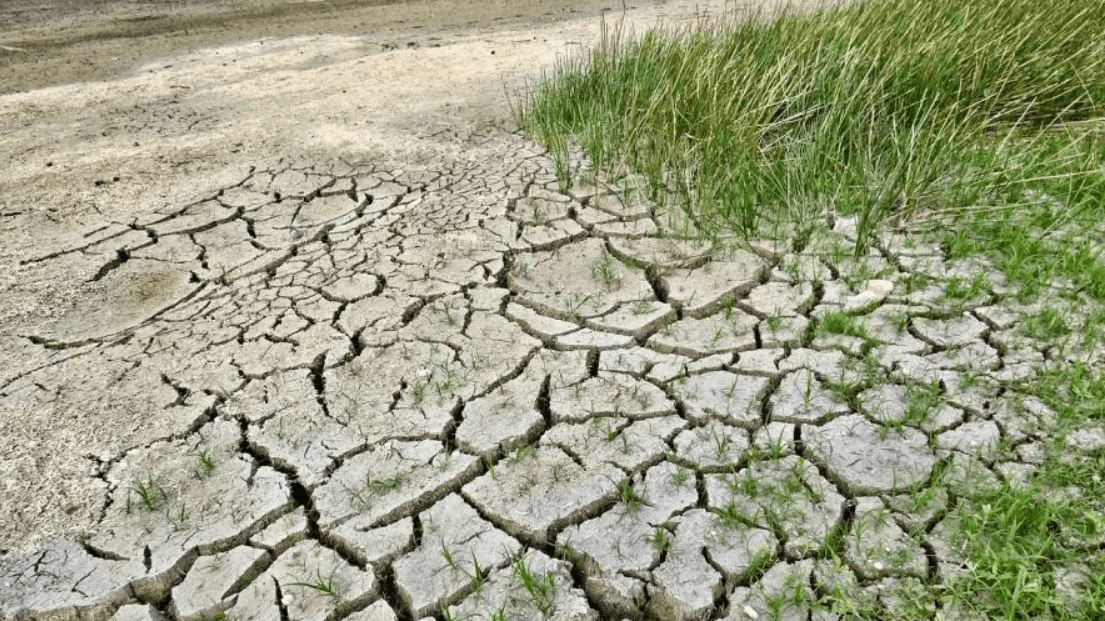
Climate change impacts arid regions of wealthier and poorer countries differently: Study
A new research shows that economically-challenged countries in arid regions are at the receiving end of the impact of climate change.
COVID-19: What we know about asymptomatic patients so far
Are asymptomatic people the real drivers of COVID-19 progression? Researchers are divided as more studies arrive that further complicate the question
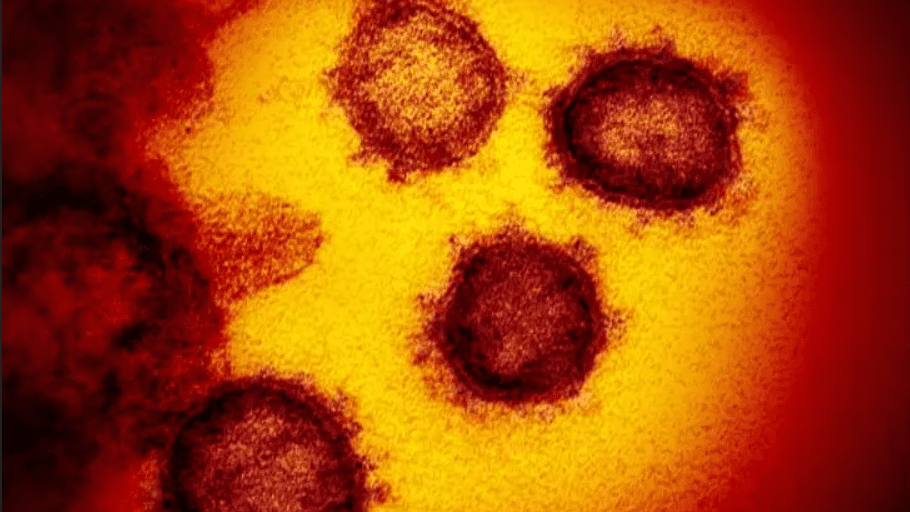
COVID-19: Study suggests immunity against SARS-CoV-2 could last for six months
The study analyzed the immune memory against the virus in 185 patients who had recovered from COVID-19. These included patients who were asymptomatic and those who exhibited severe clinical symptoms
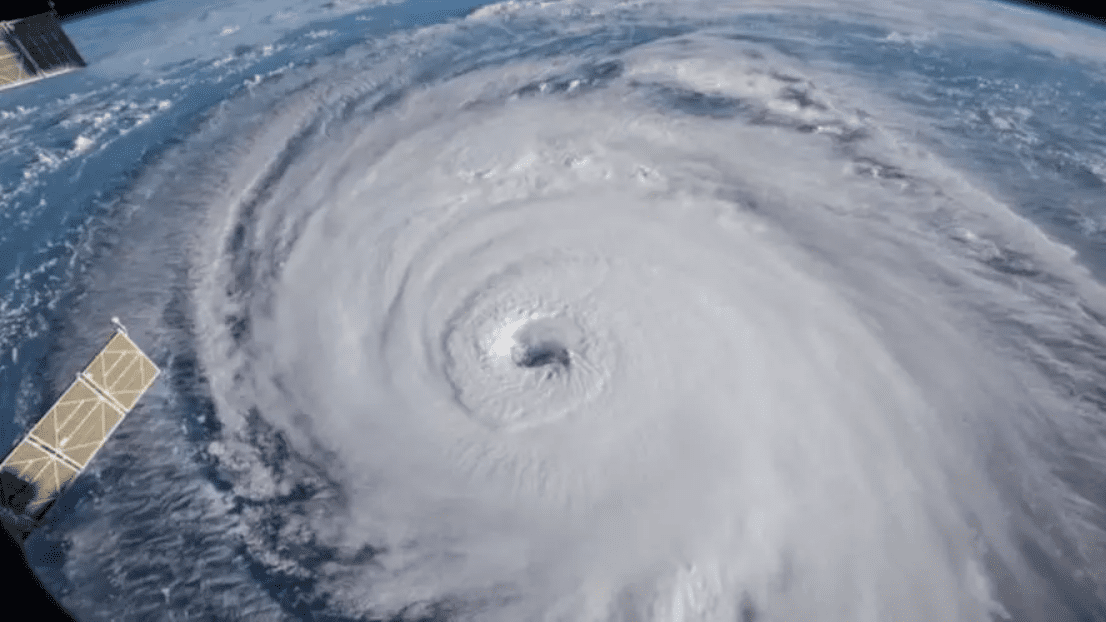
Climate change is causing hurricanes to stay strong for longer, move further inland
Due to warming oceans, a hurricane will move further inland after making landfall and stay strong for a longer time, thus causing more destruction, a recent paper in Nature says

Winter is coming in the Northern Hemisphere. Will COVID-19 get worse?
There is not enough data to conclusively predict if the onset of winter will lead to a greater spread of the infection. However, researchers have been studying the possibility through a variety of ways
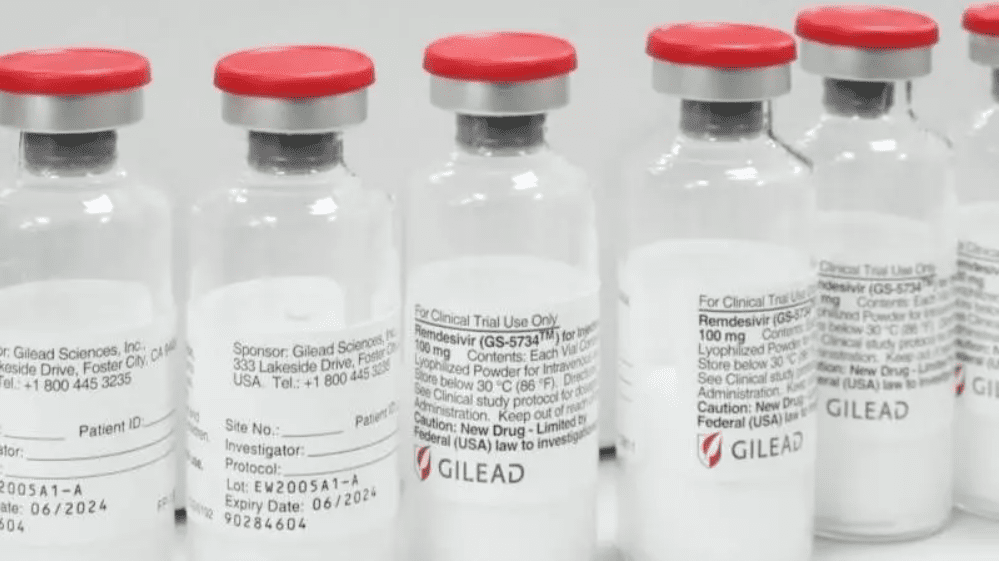
WHO mega trial results out: Remdesivir, Interferon fail to prove effective
None of the four drug/drug combinations that were deployed in the WHO’s SOLIDARITY trial were found to be effective in reducing mortality, not even the much-hyped anti-viral drug Remdesivir
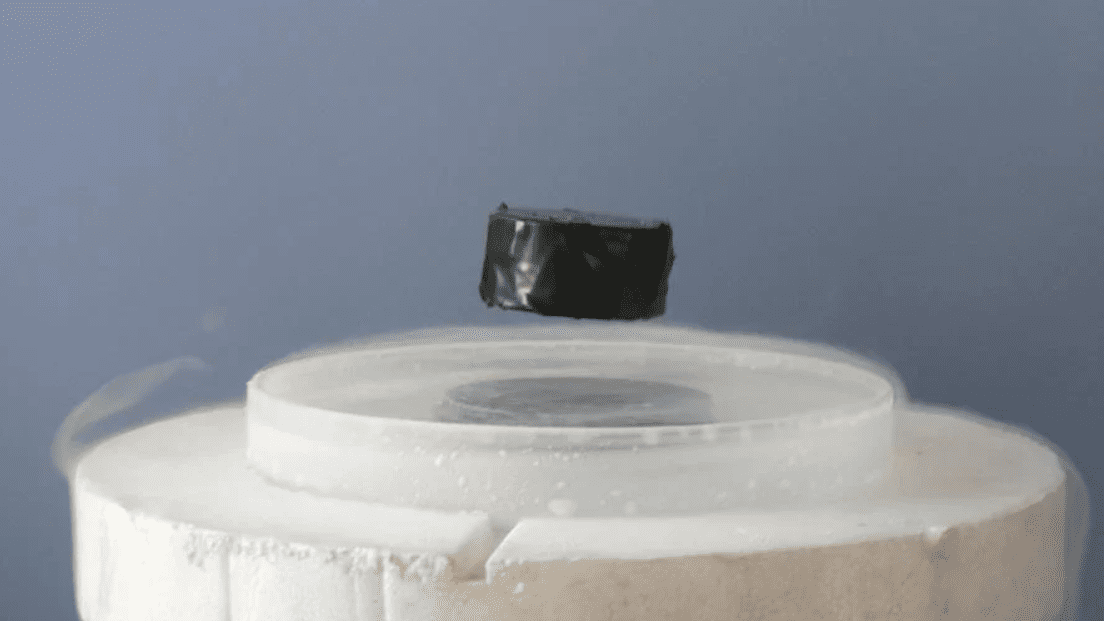
Room temperature superconductor reported to have worked for first time
This could have a big technological impact, as it raises the possibility of the development of electronic equipment that is much faster and does not overheat