Trump’s environmental policy champions big oil and gas interests
The fossil fuel industry is cashing in on its investment in the Trump administration, while people in the US and across the globe are left to pay the price
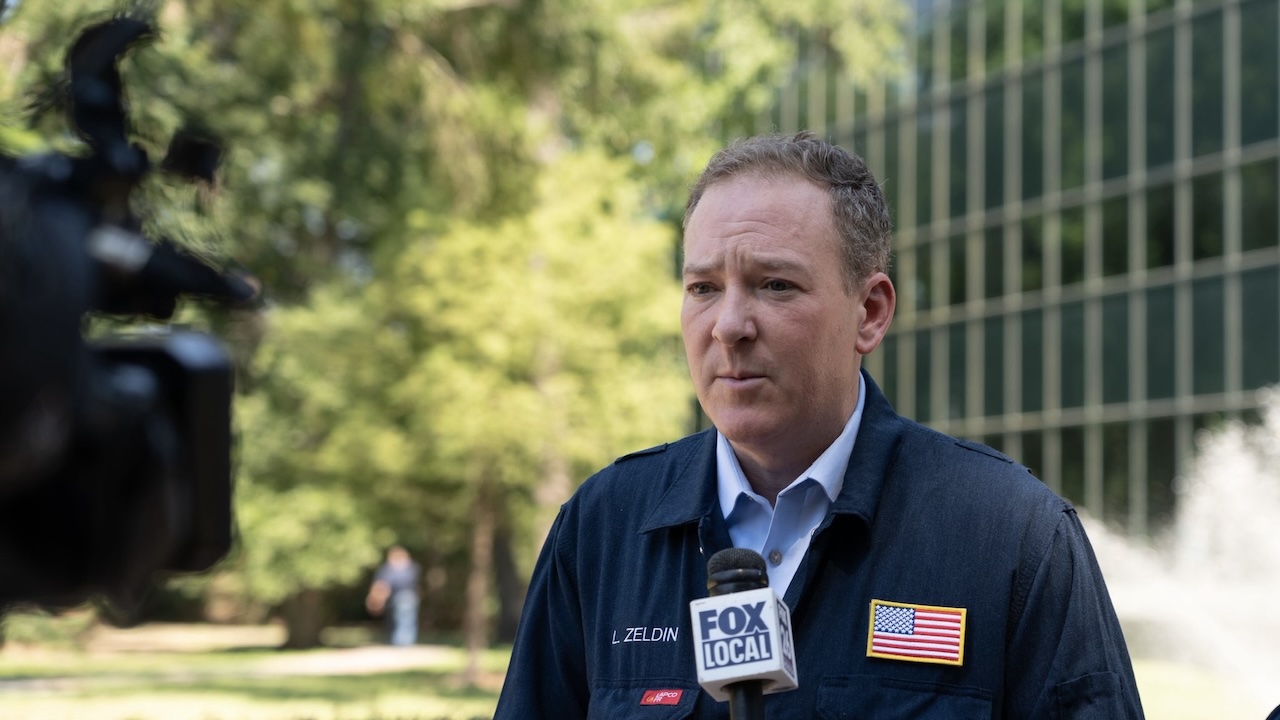
EPA Administrator Lee Zeldin (Photo via @epaleezeldin/X)
Since the start of his second term, Trump has implemented unprecedented changes to environmental policy in the United States, deregulating and removing historic protections. In just eight months in office, Trump withdrew from the Paris Climate Agreement, moved to open Alaskan wilderness to oil drilling, set plans to begin deep-sea mining in US and international waters, moved to roll back the EPA’s scientific basis for regulating greenhouse gases, slashed clean-energy investments, moved to repeal pollution limits on fossil fuel power plants, and had the Environmental Protection Agency (EPA) launch “the biggest deregulatory action in US history.”
The US public had until September 15 to submit comments on an EPA proposal to repeal the “endangerment finding,” the key legal foundation for regulating greenhouse gas emissions that drive climate change. This move could serve to roll back almost all limits on climate pollution in the US. If Trump’s EPA is successful in repealing the “endangerment finding”, it would be a severe setback to efforts to curb global temperature increases. The United States has historically been the world’s largest contributor to the greenhouse gases that have caused global warming.
“I’ve been told the endangerment finding is considered the holy grail of the climate change religion,” said Trump-nominated EPA administrator Lee Zeldin in a video posted on X, announcing a massive environmental deregulatory push on March 12. Zeldin announced that it would take 31 actions to unwind Biden-era regulations.
In June, the agency also announced that it would put forward a proposal to eliminate all greenhouse gas emissions limits on the power sector. Zeldin claimed that greenhouse gas emissions from fossil fuel power plants “do not contribute significantly to dangerous air pollution.” In response, climate scientist Zeke Hausfather said “this is the scientific equivalent to saying that smoking doesn’t cause lung cancer.”
Fossil fuel donors cash in on deregulatory agenda
As a result of Trump’s deregulatory push, the fossil fuel industry donors who funded Trump’s bid for the presidency in 2024 are already reaping the benefits. The fossil fuel industry was the top corporate backer of Trump’s reelection campaign.
On day one of his second administration, Trump ended a Biden-era pause on liquefied natural gas exports, allowing fossil fuel giant Energy Transfer Partners to move forward with a long-planned project. Energy Transfer Partners and its CEO, Kelcy Warren donated USD 25 million to Trump’s main super PAC since he took office, even though the president legally cannot run for a third term.
In the first quarter of this year, Energy Transfer Partners reported higher profits as compared to last year. Company executives have lauded the new administration and its friendlier position towards fossil fuels.
Climate change and extreme weather events threaten entire US
As fossil fuel companies reap profits, extreme weather events have become more common in the US, with overwhelming scientific consensus linking them to fossil fuel-driven warming.
Just this year, a flash flood in Kerr County, in Texas, ranked as one of the deadliest in US history – costing at least 135 lives, including 35 children. “To people who are still skeptical that the climate crisis is real, there’s such a clear signal and fingerprint of climate change in this type of event,” Jennifer Francis, senior scientist at the Woodwell Climate Research Center, told Yale Climate Connections.
Meanwhile, hurricane season in the US becomes more intense every year due to climate change. Hurricanes Milton and Helene last year devastated the southeastern United States. Trump made a point to shine a spotlight on the hurricane-ravaged city of Asheville, North Carolina in his early presidency, marking the city as the first visit into his presidency. However, Trump’s current stance on fossil fuels will do little to prevent future natural disasters.