After Black man found hanging from a tree in Mississippi, civil rights leaders question official story
Independent autopsy sought as Reed’s death sparks scrutiny and historic parallels to US legacy of racially-motivated lynchings
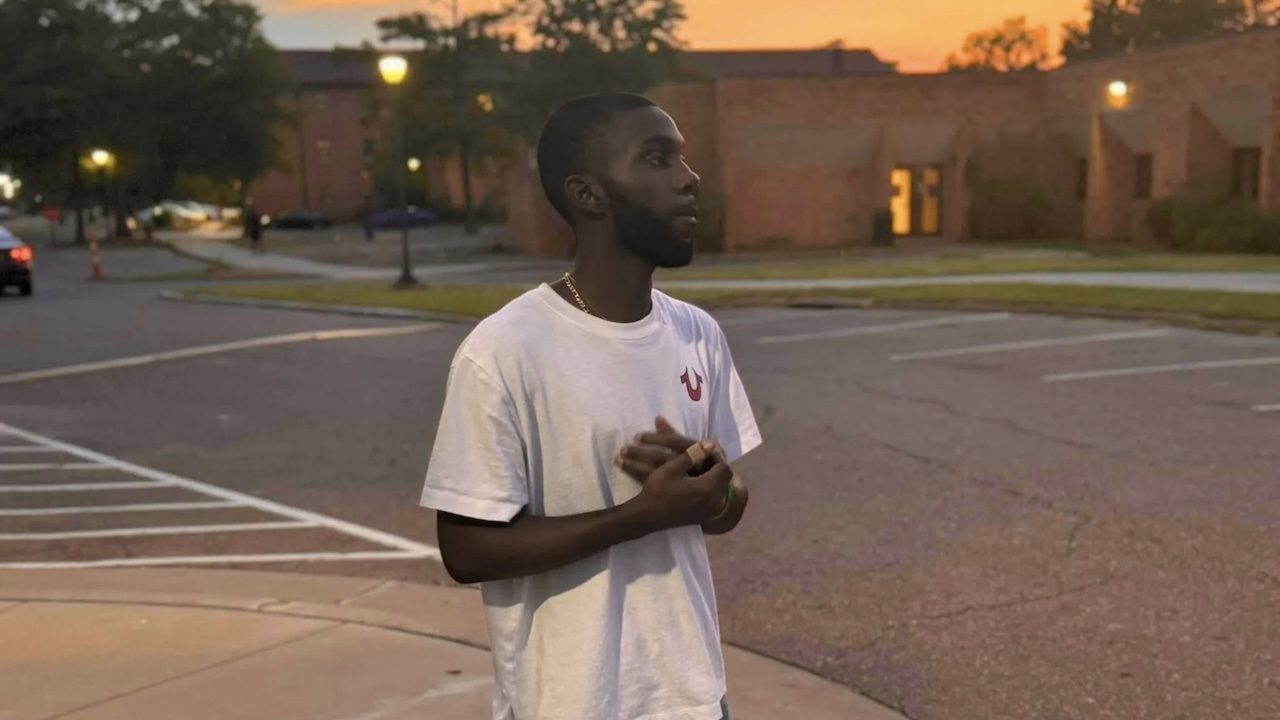
Photo: Demartravion Reed’s Facebook page
On September 15, the body of 21-year-old student Demartravion “Trey” Reed was found hanging near the pickleball courts at Delta State University in Cleveland, Mississippi. An autopsy conducted by the Mississippi State Medical Examiner’s Office determined the cause of death to be a suicide. But civil rights leaders and Reed’s family are questioning the official narrative.
Before the official autopsy results were announced, the NAACP wrote in a post on Instagram that “our people have not historically hung ourselves from trees,” referring to the history of violent lynching of Black people in the US, concentrated in Deep South areas of the country during the Jim Crow era.
Reed family pushes for independent autopsy
Reed’s family is fighting for an independent autopsy. Civil rights activist and former football player Colin Kaepernick has announced that his Know Your Rights Camp’s Autopsy Initiative will pay for the cost of a second autopsy. Kaepernick launched this initiative for families who lost loved ones while in contact with state forces, such as police, correctional officers, or ICE agents.
Reed’s family also retained civil rights Attorney Ben Crump in their struggle to recover more evidence about the precise circumstances of Reed’s death. Crump has demanded that law enforcement allow Reed’s family to view all video footage in relation to the investigation of Reed’s death.
“We cannot accept rushed conclusions when the stakes are this high,” Crump stated. “By demanding the family be allowed to view any video and commissioning an independent autopsy, we are taking every step to uncover the truth about what happened to Trey. Every student deserves to feel safe where they live and learn. That is why it is so important to get to the bottom of this tragedy.”
Reed’s death stirs memories of lynching as a tool of racial terror
For many, the nature of Reed’s death has invoked the horrors of the legacy of racially-motivated lynchings in the US South. Lynchings as acts of racial terrorism increased dramatically in the period following the post-Civil War Reconstruction, during the “Jim Crow” era which was characterized by legalized racial segregation and systemic white supremacy, especially in the American South.
The Equal Justice Initiative labels lynching during the Jim Crow era as a “vicious tool of racial control.” According to sociologist Stewart Tolnay, lynchings “lynching in the South became increasingly and exclusively a matter of white mobs murdering African-Americans.”
Mississippi congressional representative Bennie Thompson has called for a federal investigation into Reed’s death. “While the details of this case are still emerging, we cannot ignore Mississippi’s painful history of lynching and racial violence against African Americans,” said Thompson.
“Trey Reed should be alive. He deserved to grow old, to graduate college,” wrote congressional representative Rashida Tlaib in a social media post. “The media is silent while his family mourns his loss. I fully support his family’s demand for a thorough and transparent investigation. They deserve nothing less.”